


_result.jpg)



Clearing Hoarder Flats in Whitechapel: Practical Solutions
Posted on 10/06/2026

Clearing a hoarder flat is never just a "big tidy-up". In Whitechapel, it can mean tight stairwells, shared entrances, parking pressures, anxious relatives, and items that have been collected over years, sometimes decades. If you are facing this situation, you probably do not need a lecture. You need a plan that is calm, practical, and actually workable on the day.
This guide to Clearing Hoarder Flats in Whitechapel: Practical Solutions breaks the job into manageable steps. You will find a clear method for assessing the flat, sorting safely, removing bulky items, handling waste responsibly, and deciding when professional help makes the difference between a stressful ordeal and a controlled clear-out. Let's be honest, these jobs can feel overwhelming at first. But with the right order of work, they become far more manageable.
Why Clearing Hoarder Flats in Whitechapel: Practical Solutions Matters
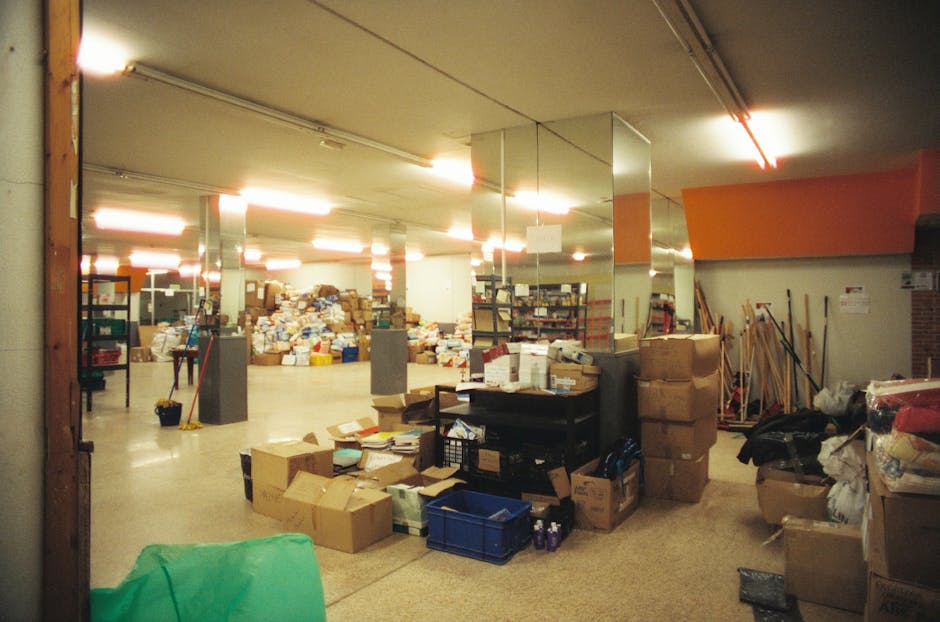
Hoarder flats are different from ordinary decluttering jobs. The issue is usually not only volume. It is also access, hygiene, emotional attachment, and hidden risk. In Whitechapel, where many properties are flats or converted spaces, even a modest-looking job can turn complicated fast. Narrow halls, shared landings, poor lift access, and limited parking can all slow progress.
There is also the human side. A hoarded home often carries embarrassment, grief, isolation, or a long period of avoiding decisions. The first mistake people make is rushing in with "let's just bin everything" energy. That rarely ends well. The better approach is slower at the start, firmer later. A little patience saves a lot of friction.
From a practical point of view, clearing the flat matters because it can help restore safe walking routes, reduce fire risk, make cleaning possible, support a tenancy end, or prepare a property for sale or repair. Sometimes it also helps a family member regain control of a space they stopped using properly. That part matters too.
Practical takeaway: The best hoarder-flat clearances are not about speed alone. They are about safe access, careful sorting, respectful handling of belongings, and a clear route for removal and disposal.
If the job involves larger items, awkward corners, or repeated trips to and from the vehicle, it can help to understand the wider removal process first. A useful place to start is the site's services overview, which gives context for different types of moving and clearance support.
How Clearing Hoarder Flats in Whitechapel: Practical Solutions Works
The process works best when you treat it as a sequence rather than a single event. A successful clearance usually moves through five stages: assess, sort, protect, remove, and reset. Simple on paper. Not always simple in the room, to be fair.
1. Assessment before lifting
First, look at the flat properly. Identify blocked exits, trip hazards, fragile piles, and any items that may need special handling. You are checking for access problems, not just clutter. If there is damp, pests, mould, or sharp debris, those issues should be noted before anyone starts carrying things through narrow spaces.
2. Sorting into practical categories
Instead of trying to "decide everything", split items into a few clear groups: keep, donate, recycle, dispose, and review later. The last group is important. It stops people from freezing when they feel overloaded. A lot of good progress comes from postponing hard decisions about a small number of objects rather than pausing the entire job.
3. Protecting the route and the property
Before moving anything, protect flooring, door frames, and corners where possible. In older Whitechapel buildings, or flats with shared hallways, this can prevent damage and reduce tension with neighbours or landlords. Tape, blankets, and careful stacking are not glamorous, but they save hassle.
4. Removing items in the right order
Heavy and awkward objects should usually go first if they block access, but only after the route is clear enough to move them safely. Bags, box loads, and loose items are often removed in phases to create space. This is where a man and van Whitechapel service can be useful, especially when multiple trips are needed and the flat is not easy to access.
5. Final sweep and handover
Once the bulk is gone, the final sweep matters. Small items, broken bits, and hidden debris often remain around radiators, under beds, or behind furniture. A flat can look "almost done" but still fail a handover if the last 10 percent is ignored. It's the dull bit. Also the important bit.
Key Benefits and Practical Advantages
There is a reason people choose a structured clearance rather than trying to wing it with a few bin bags and one overfull car journey. The benefits are tangible.
- Safer movement through the flat: clear pathways reduce trips, slips, and strained lifting.
- Less emotional overload: small decisions are easier than one giant sorting session.
- Faster progress: when items are grouped properly, removal becomes more efficient.
- Better property condition: fewer knocks on walls, fewer broken fixtures, less accidental damage.
- More respectful outcomes: belongings can be reviewed properly instead of rushed into waste.
- Cleaner final result: a good clearance makes deep cleaning and repairs possible.
There is also an overlooked benefit: once the flat is no longer full of visual noise, people think more clearly. That sounds almost too simple, but you notice it immediately. A room with floor space feels different in the body. Breathing is easier. Decisions get easier too.
If storage is needed for a few items while the rest is sorted, arranging short-term space can reduce pressure. The page on storage in Whitechapel may be helpful where belongings need a temporary home between the clear-out and the next step.
Who This Is For and When It Makes Sense
This kind of clearance is useful for a wide range of people, not only families dealing with severe hoarding. In practice, it can suit:
- family members helping a relative after a difficult period
- landlords or agents preparing a flat for the next stage
- tenants who need to return a property in a usable condition
- solicitors, executors, or relatives dealing with an estate
- support workers or carers helping a resident regain safe access
- owners of small flats where accumulated items have made movement impossible
It makes sense when the job is too much for one person, when lifting is unsafe, or when the flat has moved beyond a basic tidy-up. Sometimes people ask themselves, "Can't I just do this over a weekend?" Maybe. But if the property has blocked rooms, damaged items, or years of accumulation, a weekend plan can collapse by lunchtime.
For lighter cases, the problem may simply be that the flat needs smart reduction before a move. In those situations, how to lighten your load before a house move offers a useful mindset: decide what truly needs to travel, what can be donated, and what is just taking up space.
Step-by-Step Guidance
A hoarder-flat clearance works best when you follow a predictable sequence. Here is a practical version you can adapt to the size and condition of the property.
- Walk through and assess the risks. Look for blocked exits, unstable stacks, broken glass, damp, pests, or anything that could affect safe access.
- Decide the target outcome. Are you preparing for a tenancy handback, deep clean, sale, repair, or family support? The goal changes the method.
- Gather supplies. Use strong bags, boxes, labels, gloves, wipes, tape, and protective coverings for routes and floors.
- Set sorting zones. If space allows, create simple areas for keep, donate, recycle, and dispose. Keep them visible.
- Start with access, not sentiment. Clear doors, hallways, and the easiest route out before tackling the deep piles.
- Remove bulky items in manageable loads. Do not overfill boxes or carry awkward items alone if they are unstable.
- Keep a running review pile. This prevents the job stalling when one emotionally difficult item appears.
- Book removal support where needed. If the volume is high, a removals Whitechapel option can help shift items efficiently without turning the whole day into a marathon.
- Finish with cleaning and a second check. Once items are gone, inspect corners, cupboards, behind doors, and under fixed furniture.
A small but useful rule: if an item cannot be safely lifted while keeping a clear line of sight, it probably needs another pair of hands. No heroics. Your back will thank you later.
Expert Tips for Better Results
These are the little things that make a clearance go more smoothly. They are not fancy. They just work.
Work in short, focused sessions
Fatigue causes bad decisions. It also causes clumsy lifting. Two strong hours are often better than one exhausting six-hour push. Take proper breaks, drink water, and reset the room between phases. The room usually looks worse before it looks better. That is normal.
Use photo documentation where appropriate
If the flat belongs to someone else, or if there is a handover involved, take dated photos at key stages. Keep them simple and factual. This helps avoid disputes later and gives everyone a shared reference point. It is a boring bit of admin, yes, but very useful.
Prioritise hazardous materials
Old cleaning fluids, batteries, sharps, broken glass, and spoiled food should be handled carefully and separated early. Never mix unknown substances together. If anything seems questionable, stop and deal with it cautiously. Better slow than sorry.
Use the right support for heavy items
Mattresses, wardrobes, white goods, and other bulky items can be awkward in a cluttered flat. The article on managing heavy lifting on your own is a useful reminder that self-lifting has limits, and those limits matter more in tight London properties.
For especially awkward loads, professional handling is often the safer route. The site's furniture removals Whitechapel page is relevant when the clearance includes sofas, wardrobes, tables, or other large pieces that need controlled movement.
Keep communication calm and specific
If family members are involved, assign roles before the job starts. One person sorts. One person labels. One person manages waste bags. Too many people trying to decide at once can slow everything down and make everyone irritated by 11 a.m. Truth be told, that happens more often than people admit.
Common Mistakes to Avoid
Most failed clearances do not collapse because of one massive problem. They fail because of small, avoidable mistakes stacking up.
- Starting without a plan: random action usually creates more mess, not less.
- Trying to sort everything emotionally in one go: that is how people get stuck.
- Using weak bags or boxes: overfilled packaging splits at the worst moment.
- Ignoring access constraints: stairs, landings, lifts, and parking all affect timing.
- Underestimating the waste volume: hoarder flats often produce far more bags than expected.
- Keeping "maybe" items for too long: a review pile should stay controlled, not become a second hoard.
- Forgetting the final clean-down: a cleared flat still needs a proper finish.
One common trap is trying to make every decision feel final. It does not have to. Some decisions can be postponed. The job only needs momentum, not perfection.
Tools, Resources and Recommendations
You do not need a warehouse of equipment, but a few practical items make a huge difference.
- Heavy-duty rubble sacks or strong refuse bags for dense mixed waste
- Sturdy cardboard boxes for separating keep/donate items
- Labels or marker pens to keep sorting clear
- Work gloves for general handling and grip
- Face masks if dust, mould, or odours are present
- Protective floor coverings for routes and entrances
- Cleaning wipes, bin liners, and basic disinfecting supplies for the final stage
- Trolley or sack truck if the route and load allow it
For packing and organising salvageable items, the page on packing and boxes in Whitechapel can help you think about containment and labelling in a more structured way.
If the clearance is tied to a move or the flat is being emptied ahead of a property handover, a reading of practical packing advice for a move can also save time. The same is true for stress-free moving tips, which are surprisingly relevant once the flat starts becoming workable again.
If the work feels too large for one day, or the items need to be moved out in stages, a local vehicle and lifting team may be the most sensible option. In that case, man with a van Whitechapel is a straightforward page to review.
Law, Compliance, Standards, or Best Practice
Clearances involving hoarded or heavily cluttered properties should follow sensible UK best practice, especially where waste, safety, and property conditions are involved. You do not need to become a legal expert overnight, but you do need to be careful.
In practical terms, that means waste should be separated responsibly, sharps and hazardous items should not be handled casually, and anything that could present a health risk should be treated with caution. If items include electrical goods, damaged furniture, contaminated materials, or liquids, treat them separately rather than dumping everything together. Good judgement matters here.
For rented properties, check any obligations around property condition, deposit handback, or access arrangements before disposal begins. If the flat belongs to a vulnerable person, make sure the approach respects dignity and privacy. The job may be messy, but the process should still be respectful.
It is also worth considering whether some items should be reused, donated, or recycled instead of sent straight to waste. The site's recycling and sustainability page fits naturally here, because a careful clearance often produces less waste than people expect when items are reviewed properly.
For handling standards around lift technique, access, and vehicle loading, the site's health and safety policy is relevant background. And if you want to understand how the service is delivered more broadly, removal services Whitechapel gives a useful service-level context.

Options, Methods, or Comparison Table
There is no single right way to clear a hoarder flat. The best method depends on access, urgency, item volume, and whether the job includes cleaning, moving, or disposal. Here is a simple comparison to help you decide.
| Method | Best for | Strengths | Limitations |
|---|---|---|---|
| Self-clearance | Smaller jobs, low-risk rooms, strong time availability | Low direct cost, full control, flexible pacing | Can become exhausting, slower, and harder to complete safely |
| Family-led clearance | Emotional situations, estate tasks, sensitive belongings | Better context for keepsakes, respectful decision-making | Can stall when relatives disagree or get overwhelmed |
| Professional clearance support | Large volumes, tight access, urgent deadlines, heavy lifting | Faster progress, safer handling, better logistics | Needs coordination and clear instructions from the start |
| Phased clearance with storage | Jobs where not everything can be decided immediately | Reduces pressure, keeps options open | Requires extra organisation and possibly temporary storage |
If the flat is difficult to access or the removal needs to happen quickly, checking same-day removals Whitechapel can be sensible. Not every job is urgent, but some really are. A leaking fridge or a deadline with a landlord changes the picture very quickly.
Case Study or Real-World Example
Here is a realistic example based on the kind of situation people often face in Whitechapel. A two-bedroom flat in a converted building had become hard to walk through. The hallway was partly blocked, one bedroom held mixed bags and papers, and the living room had furniture pushed into corners. The family needed the property cleared in stages so it could be cleaned, checked, and prepared for the next step.
The first visit was not about throwing things away. It was about sorting the route and identifying what stayed, what went to storage, and what could be removed straight away. The team started with the hallway, then moved to the biggest items that were blocking access. Smaller keepsakes were set aside in labelled boxes. A review pile was created for items that nobody was ready to decide on that day. Sensible, really.
On the second phase, the bulk waste and furniture were taken out using a planned route to avoid bumps on walls and door frames. The family had expected the job to take most of the day, but because the load was broken into stages and the access path was kept clear, the space became workable much sooner than expected.
What made the difference was not speed alone. It was the order of work. Once the clutter stopped controlling the room, everyone could think more clearly. That is often the turning point.
Practical Checklist
Use this checklist before starting a hoarder-flat clearance in Whitechapel:
- Walk the flat and note hazards, blocked areas, and fragile items
- Decide the main goal: handback, cleaning, sale, repair, or support
- Prepare gloves, bags, boxes, labels, and basic cleaning supplies
- Protect floors and walls where heavy items will pass through
- Create clear zones for keep, donate, recycle, dispose, and review
- Start with access routes before tackling deeper piles
- Remove bulky items safely and do not overfill containers
- Keep hazardous or sharp items separate
- Arrange vehicle support if the amount of material is large
- Finish with a final sweep and a proper clean-down
- Check the flat again before handover or cleaning begins
And one very small but useful tip: keep a bin or sack near the exit at all times. It stops people from walking back and forth with loose debris. Tiny thing. Big difference.
Conclusion
Clearing a hoarder flat is emotional, physical, and logistical all at once. In Whitechapel, the challenge can be intensified by access issues and time pressure, but a clear plan changes everything. Start with safety. Sort in stages. Respect what can be kept. Remove the bulk methodically. Then finish properly.
The strongest results usually come from a calm, phased approach rather than a frantic all-day push. If you need support with lifting, removal, or staged clearance, it is worth using a local team that understands tight access, careful handling, and respectful service. That sort of help is not a luxury in every case. Sometimes it is the sensible route, full stop.
Get a free quote today and see how much you can save.
If you want to learn more about the people behind the service, you can also visit the about us page. And if you are ready to talk through a specific flat, the contact page is the next practical step.
However messy things look now, a good first step can make the rest feel possible. Sometimes that is all you need.

