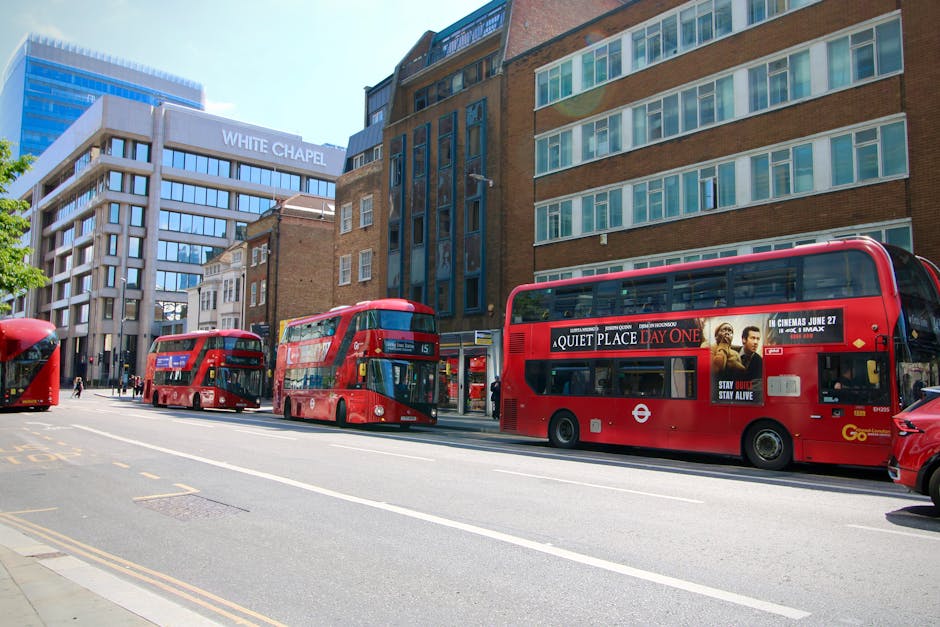
Man with a van in Whitechapel for practical local removals

Our man with a van service in Whitechapel is set up for straightforward local moving work, careful furniture transport and smaller removals that need a sensible vehicle, steady handling and clear planning. It is a good fit when you want items moved without unnecessary fuss, whether that is a few bulky pieces, the contents of a flat or a mixed load of household goods. The focus is on safe, organised transport and on keeping the process easy to understand from the outset.
We support customers who need help with single-item moves, part-load collections and everyday removal jobs where a full-scale move would be more than is required. That can include furniture, boxes, white goods and awkward pieces that are easier to move with proper lifting and secure loading. If you are comparing options, it is worth looking at the scope of work, access conditions and the kind of vehicle needed for the job. Pricing and quotes gives a useful starting point for that discussion.
For anyone arranging a move, a clear list of what needs collecting or delivering makes it easier to plan the right approach. A short description of the load, the pickup and drop-off points and any items that need extra handling is often enough to begin with. Good preparation is less about making the job complicated and more about helping it run in the right order, especially where tight stairwells, shared entrances or heavy furniture are involved.
Household moves and local delivery work
Many requests for a man with a van in Whitechapel are for smaller domestic moves rather than a complete house removal. That may involve a studio flat, a few rooms of furniture or items being taken between addresses in the same part of East London. The service is suited to practical tasks where the main requirement is dependable transport and the ability to move items carefully from one property to another.
We can also help when a move needs to be phased rather than completed in one large load. Some customers prefer to move key furniture first and follow with boxed items, while others need a single journey for a couple of larger pieces. For those planning home removals, home moves and house removals are relevant pages to review alongside the practicalities of access, timing and load size.
Typical household jobs may include beds, wardrobes, tables, chairs, shelving, luggage, packed boxes and mixed contents that need to be secured for transport. A sensible approach is to separate what is fragile, what can be stacked and what should be lifted last. If you are unsure how much will fit, a measured description is more useful than guesswork. For larger domestic moves, the work can be planned around careful loading rather than speed alone.
Furniture, single items and careful lifting

Furniture moves often benefit from a compact, well-managed service because the challenge is usually not distance but handling. A table top that needs protecting, a wardrobe that must be moved upright or a sofa that has to be turned through a narrow hallway all call for patience and attention. Our service is intended for those practical details, especially where a customer needs a reliable way to move one or several substantial items without arranging a larger operation.
Single-item transport is common for purchases, replacements and relocations between homes or storage points. It might involve an item collected from one address and delivered to another, or the movement of a bulky object that is too awkward for a car but does not justify a full moving team. When planning that kind of job, it helps to think about whether the item needs dismantling, wrapping or extra space for loading. Furniture pick-up is a useful route when the main task is collection and delivery.
Access matters as much as the item itself. Stairs, lifts, parking distance, tight turns and door widths all influence how a piece can be moved safely. It is often better to mention these points early than to leave them until the day. A brief note about the size of the furniture, the floor level and any fragile surfaces helps us understand whether the work is straightforward or needs additional care.
Packing, loading and the practical side of moving
Loading a van well is part of what makes a man with a van service useful. Items need to be placed so that they do not shift, scratch or topple during transit, and this is especially important when a load mixes soft furnishings with boxes, frames, kitchen equipment or fragile belongings. Careful packing and sensible sequencing reduce handling time and help protect both the load and the property it comes from or goes to.
Some customers want help with the whole movement of goods, while others only need a transport layer after they have packed everything themselves. Both approaches can work, provided the job is described honestly. If items are already boxed and stacked, the load is easier to assess. If the work involves dismantling, wrapping or reassembly, that should be accounted for before collection begins. For a fuller outline of support, packing and unpacking services may be relevant alongside transport planning.
One useful rule is to separate what must be carried by hand from what can be wheeled, slid or stacked. That makes a difference to the route taken through the property and to the order in which items are placed in the van. A tidy load is not about overcomplicating the job; it is about making sure the moving day feels controlled and the items arrive in the same condition in which they left.
Commercial loads and office removals

A man with a van can also be a practical choice for smaller business moves in Whitechapel, especially when the work involves boxes, office furniture, archive materials or equipment that must be moved between premises. These jobs often need a neat balance between pace and caution, because business items may be light but awkward, or modest in volume but important to keep organised during the transfer.
Office removals can include desks, chairs, shelving, monitors, small devices and cartons of documents or stock. The key considerations are access, labelling, protection of sensitive items and the order in which things should be loaded and unloaded. Businesses often benefit from choosing a service that can handle a compact move without bringing unnecessary capacity. Office removals and office relocation services are both useful pages when the move has to fit around trading, building access or a staged handover.
Commercial transport is usually easiest when the items are grouped sensibly before the vehicle arrives. A short written note or inventory helps separate what is being moved from what is staying behind, and it also reduces the chance of missing a small but important item. Where equipment is delicate or confidential, it is sensible to highlight that at the start so the load can be arranged with appropriate care.
Vehicle choice, route planning and the right kind of load
The right vehicle for a man with a van job depends on more than the number of items. The shape of the furniture, the amount of protective packing and the need to fit through particular streets or access points all influence the plan. A van that suits a few boxes may not be the best option for a long wardrobe or a broad sofa, so the task is to match the load to the transport rather than the other way round.
For some jobs, a simple transport-only arrangement is enough. For others, the route between properties, the time available for loading and the need to manage multiple stops matter just as much as the van itself. If you are choosing between services, it may help to compare moving van, removal van and moving truck pages to understand the wording used for different vehicle-based solutions. The best fit depends on the scale of the move and the kind of items involved.
Before anything is collected, it is sensible to think about street access, any nearby waiting restrictions and whether larger pieces will need to be brought out in stages. Practical planning is often what keeps the move simple. When the collection point is difficult to access or the items are unusually shaped, a brief description helps us judge how to approach the job without unnecessary delay.
About Whitechapel
Whitechapel is an East London district in the London Borough of Tower Hamlets, just to the east of the City of London. Its history is closely tied to migration, commerce and reinvention, with the area developing around the Whitechapel Road and the routes that connected the City with the East End. The district became widely known in the nineteenth century for crowded streets, workshops, markets and dock-related industries, and it has long been associated with the social history of London’s expanding urban core. The name itself comes from the medieval chapel of St Mary Matfelon, which stood near the present Whitechapel Road. Although the original chapel no longer survives, the place name remains a reminder of the area’s older religious and civic landscape. Over time Whitechapel has been shaped by successive communities, including Jewish, Bangladeshi and other migrant populations, each contributing to local food, trade, worship and culture. The area is also closely linked to medical and educational institutions, with the Royal London Hospital standing as one of its most prominent landmarks. Whitechapel Gallery has played an important role in the district’s cultural life since the early twentieth century, while nearby streets reflect a mix of historic terraces, post-war redevelopment and newer buildings. Stepney Green, Whitechapel Road, Vallance Road and the edges towards Aldgate and Shadwell all form part of a dense urban setting that still carries traces of earlier markets, coaching routes and Victorian expansion. The opening of Whitechapel station as part of the Elizabeth line added another layer to the area’s long transport history, strengthening an already busy local network of Underground and rail links. The result is a place with strong connections to central London, a deep historical identity and a changing built environment that continues to evolve.
How to prepare a move or collection
When arranging a man with a van job, the most helpful preparation is usually simple and practical. If items are packed in advance, it is easier to load them efficiently and to keep different groups separate. Fragile belongings, electronics and anything with loose parts should be set aside or marked clearly so they can be handled in the right order. If an item may need dismantling, that is best mentioned before the job is booked in, not after loading has started.
A short note about the pickup and drop-off addresses, the number of floors, any lift access and the likely quantity of items can make a quotation more accurate. It is also helpful to say whether there are narrow entrances, timed access windows or parking limits that may affect the vehicle’s approach. These details do not make the job complicated; they simply reduce uncertainty and make the plan more realistic.
For larger or more varied loads, an itemised list is often better than a rough estimate. That can include furniture dimensions, boxed quantities and anything that must not be stacked. When customers provide a few clear facts, we can advise on the most suitable arrangement without over- or under-specifying the move. If you are ready to compare options, removal services is a broad page that sits alongside the more specific transport pages.
Local removals, scheduling and pricing factors

Price and scheduling for a man with a van in Whitechapel usually depend on the practical shape of the work. The amount of loading time, the distance between addresses, the accessibility of both properties and the care needed for specific items all play a part. Smaller jobs may be simple, but simple does not always mean identical; two apparently similar moves can require very different levels of handling if the access or the furniture changes.
It is sensible to think about what the service must cover before asking for a figure. That may include collection only, delivery only, multiple stops or transport for both furniture and boxed goods. If you are weighing up costs, removals, man and van and removals near me can help you understand the scope of the available pages. A proper comparison starts with the work itself, not with the headline wording.
We find that the clearest enquiries mention what is being moved, where it is going and whether anything needs special handling. That information helps shape a practical quotation rather than a vague estimate. If the job includes awkward access or fragile furniture, noting that early is better than discovering it at the end of loading. Contact us when you are ready to discuss the details and request a quotation.
Service choices for different moving needs
Not every move needs the same type of support, which is why it can help to look at the service wording carefully. Some customers need a simple man with a van for one collection and one delivery. Others need a fuller removal service with the ability to manage mixed household loads, a larger number of items or a move that takes place in stages. Matching the job to the right page makes the process easier to understand.
Where the load is very small, a compact transport arrangement may be enough. Where the job is a full flat move, more general house removalists, house movers or movers pages may be more appropriate because they frame the job around broader moving support. The advantage of reviewing these options is not to overcomplicate things, but to identify the description that best fits the actual work.
Some people also need a clearer split between domestic and commercial transport. Others want a page that reflects the vehicle rather than the type of property. In those cases, terms such as man with van removal, man and van removals and removal company may be useful for comparing language and scope. The service itself remains practical: careful movement of items from one place to another with sensible loading and transport.
Recycling, safety and responsible disposal choices

Some jobs linked to a man with a van are not just about transporting items, but about deciding what should be kept, moved, reused or passed on. When a move involves mixed contents, there may be furniture or household goods that no longer need to travel to the new address. In those situations, it can help to separate reusable items from items that require disposal so the load is managed more efficiently and nothing useful is discarded by mistake.
Good handling also includes basic safety and legal care. Heavy or awkward pieces should be lifted and loaded sensibly, and any item with sharp edges, loose fittings or unstable parts needs attention before transport. If you want to review broader operational information, insurance and safety, health and safety policy and recycling and sustainability are available as supporting pages. They sit alongside the moving service rather than replacing the need for a clear load description.
For many customers, the final step is simply to turn a list of items into a workable plan. That may mean confirming what is coming from each address, checking that the route is clear and deciding whether a second trip is sensible. If you would like to move forward, please ask for a quotation and tell us what needs transporting, where it is going and when you would like it done.